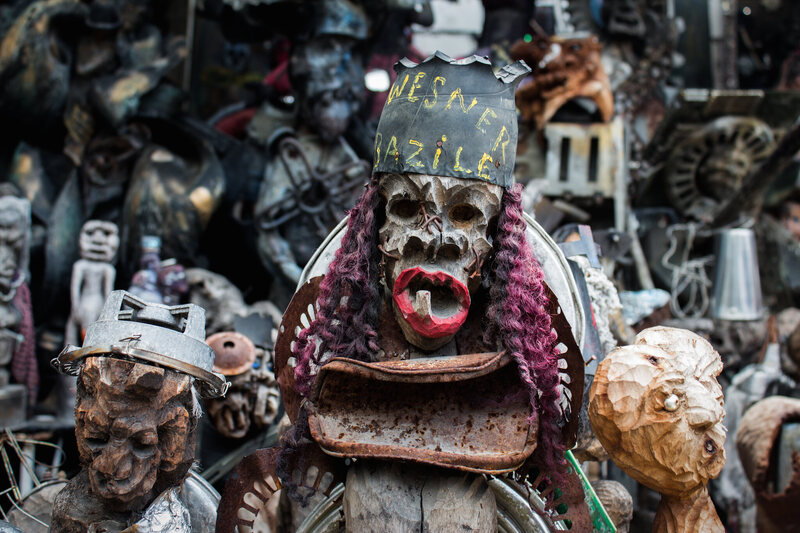
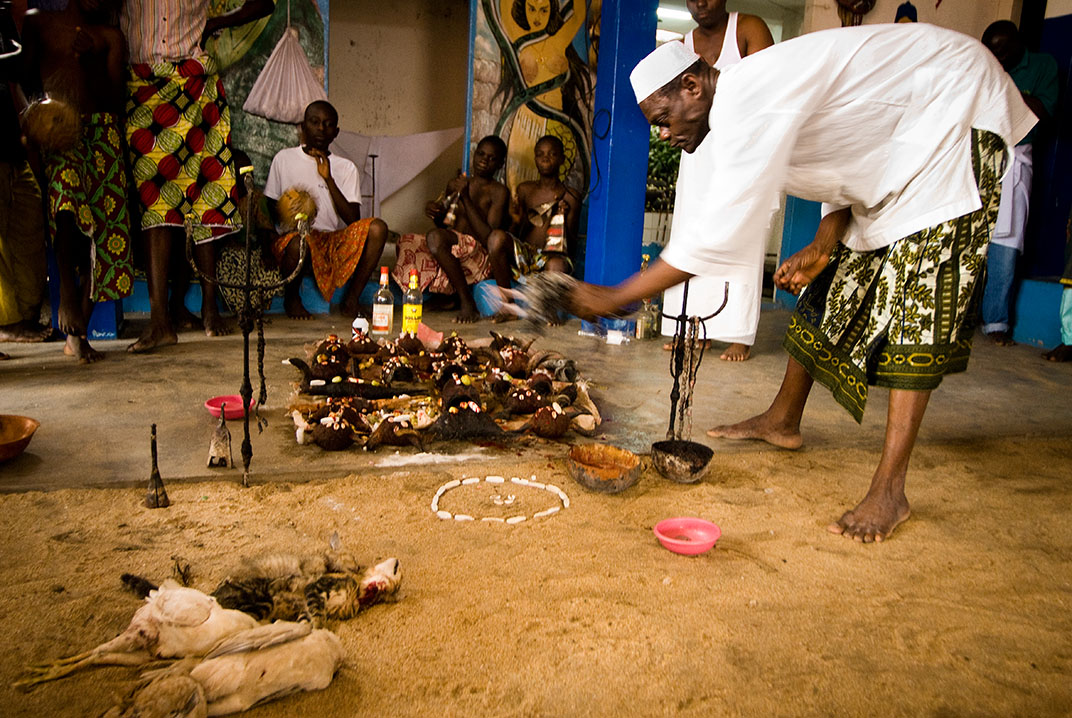
The question “Why was Voodoo banned?” goes beyond picket signs or dusty laws—it lifts the veil on centuries of fear, misunderstanding, and cultural erasure. Our 40-page ebook, The Mysterious Power of Vodun: Sacred Legacy or Feared Force?, brings you face-to-face with the true origins and living heartbeat of Vodun.
👉 Download now for an honest, respectful exploration of sacred traditions that have endured against every odds.
1. Colonial Control and Cultural Suppression
Why was Voodoo banned? European colonizers saw African spiritual systems as threats to their authority and worldview. Voodoo was labeled as pagan, witchcraft, a justification to dismantle cultural structures and forcefully convert entire societies.
2. American Moral Panic
Again, why was Voodoo banned? In 19th and 20th-century America, sensational media painted voodoo as voodoo dolls, curses, zombies—the stuff of nightmares. This fear-driven narrative fueled local bans and fueled moral hysteria about “evil magic.”
👉 Curious about real Vodun practices? Download our ebook and move past the myths.

3. Religious Intolerance and Forced Conversion
Why was Voodoo banned? Missionaries—and later evangelical movements—destroyed temples, burned sacred texts and forced conversions. Vodun traditions became targets of not just ideology, but colonial ambition to erase ancestral identities.
4. Healing Criminalized
Why was Voodoo banned? Communities have long turned to Voodoo for healing, guidance, and spiritual balance. These practices were dismissed as witchcraft—criminalized as backward rather than respected as therapeutic.
5. Oral Tradition vs. Written Law
Why was Voodoo banned? Vodun transmits through stories, chants, and ceremony—not books. Colonial authorities feared it because they couldn’t regulate or fully understand a spiritual system that belonged to the people.
6. The Louisiana Connection
Why was Voodoo banned? In places like Louisiana, voodoo became a symbol of cultural “otherness.” Law enforcement and white supremacists criminalized its rituals and labeled them dangerous, reinforcing racial and cultural hierarchies.
7. Revival & Resilience
Despite this history, why was Voodoo banned? becomes a question of survival. As stigma fades, Vodun is being reclaimed—through festivals, scholarly works, and community resurgence. Legal bans are crumbling; spiritual respect is rising.
What’s the Difference Between Voodoo and Vodou?
In short: Voodoo refers broadly to African-derived spirituality in the US, including New Orleans styles. Vodou (with an “u”) is the Haitian form—directly rooted in West African Vodun and Catholic syncretism.
If you want a full exploration of these differences, download our ebook—you’ll understand how Vodun from Benin survives and thrives across oceans and ages.
8. A Story That Still Matters
Why does “why was Voodoo banned?” still resonate? Because it reminds us how fear and authority once silenced entire cultures. But Vodun didn’t disappear—it adapted, reinvented, resurfaced.
9. Dismantling the Myths
Answering why was Voodoo banned? challenges us to see voodoo beyond curses and horror. It’s about healing, community, tradition, and power. A misunderstanding turned law, then legacy.
10. Reclaiming an Ancestral Legacy
By asking why was Voodoo banned?, you’re standing on the side of truth. Today, Vodun is reclaimed by descendants, scholars, and seekers. It’s not relic—it’s resurrection.
11. Redefining Spiritual Freedom
Why was Voodoo banned? Because it represented independence, mystery, autonomy. By embracing Vodun’s truth now, we honor both those who were oppressed—and those who persisted.
🔚 Ready for the Deeper Truth?
You’ve scratched the surface of why was Voodoo banned?. Are you ready to explore its roots, rituals, deities, and modern resurgence?
Download our 40-page ebook, The Mysterious Power of Vodun: Sacred Legacy or Feared Force?, and step into an unfiltered, deeply human journey.
➡️ Go beyond fear. Embrace heritage. Start reading today.