In the heart of West Africa, nestled within the vibrant tapestry of Benin’s rich cultural heritage, lies a powerful and enigmatic figure: Vodun Hèbissio. As the thunder god of the Vodun pantheon, Hèbissio commands respect and reverence, wielding the forces of nature with awe-inspiring might.
The Origins of Hèbissio
The origins of Hèbissio, like many Vodun deities, are deeply rooted in ancient African beliefs and traditions. As a primordial force, Hèbissio is often associated with lightning, thunder, and storms. He is believed to be the guardian of the sky and the bringer of both life-giving rain and destructive storms.
Hèbissio’s power is immense, and his presence is felt throughout the natural world. His thunderous roars echo across the heavens, and his lightning bolts illuminate the darkest nights. He is a force to be reckoned with, a deity who can both reward and punish.

The Power of Hèbissio
As the thunder god, Hèbissio possesses a wide range of powers. He can summon storms, control the weather, and even strike down his enemies with lightning bolts. He is also a protector of the righteous and a punisher of the wicked.
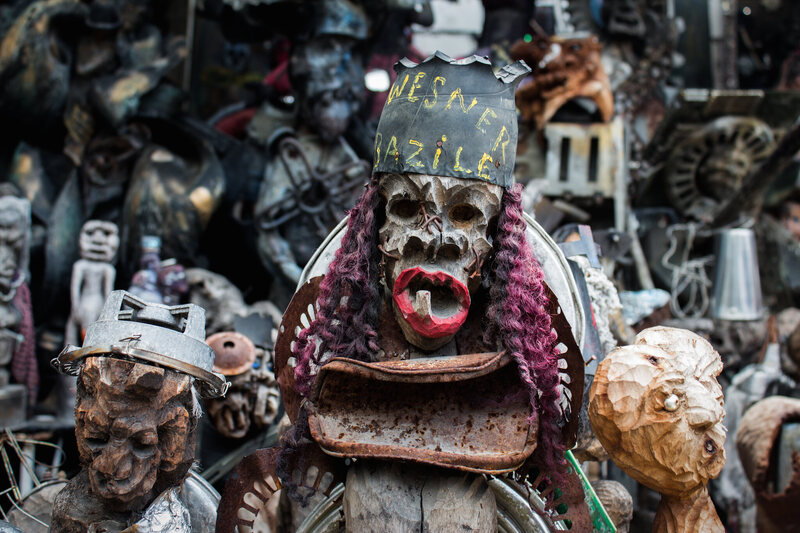
Hèbissio is often depicted as a powerful, muscular figure, sometimes wielding a lightning bolt or a double-headed axe. He is often accompanied by a retinue of spirits, including thunderbirds and lightning spirits.
Hèbissio in Vodun Rituals
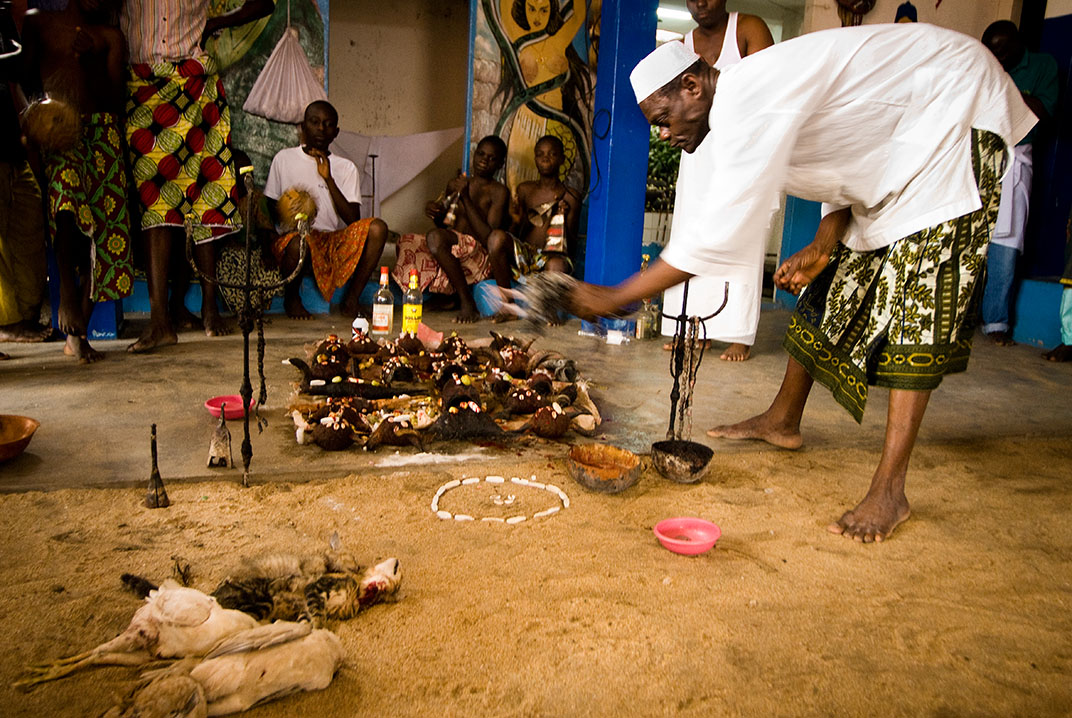
Hèbissio plays a significant role in Vodun rituals and ceremonies. Devotees seek his blessings and protection, and they offer sacrifices to appease him. These sacrifices may include food, drink, or even animal offerings.
Hèbissio is often invoked during times of crisis, such as drought or famine. Devotees believe that by calling upon his power, they can influence the weather and bring about much-needed rain.
The Temple of Hèbissio in Savalou
One of the most sacred sites dedicated to Hèbissio is the great temple in Savalou, Benin. This temple is a place of pilgrimage for Vodun devotees from all over the world. Here, they come to pay homage to Hèbissio and to participate in various rituals and ceremonies.
In front of the temple, there is a special place called Sato. This is where the adepts of Hèbissio gather to perform traditional songs and dances. These performances are a vibrant and captivating display of Vodun culture, and they offer a glimpse into the spiritual power of Hèbissio.
Hèbissio, the thunder god of Vodun, is a powerful and enigmatic figure who continues to inspire awe and reverence. His influence can be felt throughout Benin, and his legacy lives on in the hearts of his devotees.
If you love African culture and want to help us continue our mission of preserving and promoting it, your support is crucial. By donating today, you enable us to keep sharing the rich traditions, arts, and heritage that define Africa’s unique identity. Together, we can ensure that future generations experience the beauty of African culture. Make a difference.
If you are interested in learning more about Hèbissio or witnessing the vibrant performances of his adepts, we invite you to contact us. We can provide you with more information about Vodun culture, the temple in Savalou, and the upcoming performances at Sato.
Email: contact@beninzangbeto.com
You can also fill out the form below to contact us.
By exploring the depths of Vodun mythology and experiencing the spiritual power of Hèbissio, you can gain a deeper understanding of Benin’s rich cultural heritage.