What Is the Connection Between Vodun and Zangbeto in Benin’s Spiritual Practices?
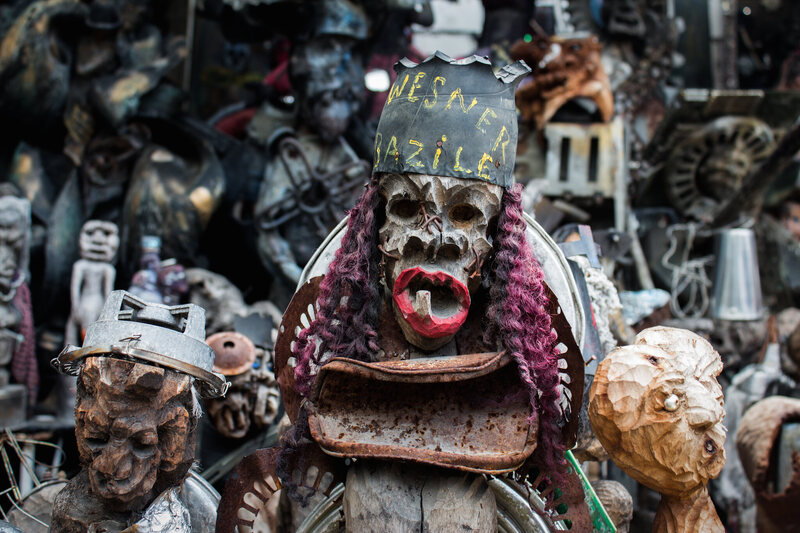
Benin, a country rich in history and culture, is home to a deep spiritual tradition that blends African beliefs with mysticism, magic, and a deep reverence for the supernatural. At the heart of Benin’s religious and cultural identity is Vodun, a belief system that involves powerful deities, ancestral spirits, and rituals to maintain harmony between the physical and spiritual worlds. Zangbeto, a unique ritual and spiritual practice rooted in Vodun, plays a significant role in safeguarding communities and enforcing social order.
In this blog post, we’ll explore the connection between Vodun and Zangbeto in Benin, delving into their origins, their magical powers, and the critical role they play in the daily lives of the people. We will also look at how Zangbeto initiates combine Vodun’s divine powers in their mystical demonstrations, and how the Vodun deity Lègba serves as a protector in these rituals.

Understanding Vodun: Origin, Powers, and Spiritual Significance
Vodun, often called Voodoo in popular culture, is a spiritual and religious practice that originated among the people of the West African region, particularly in present-day Benin, Togo, and parts of Nigeria. The word “Vodun” itself means “spirit” or “god” in the Fon language, one of the major ethnic groups of Benin.
Vodun’s Origins and Evolution
Vodun can trace its roots to the Fon, Ewe, and Yoruba peoples who have lived in West Africa for centuries. Historically, Vodun was not just a set of beliefs but a way of life that governed social, political, and economic activities. The practice of Vodun is deeply interwoven with the natural world, ancestral worship, and the forces of the universe. It is based on the worship of a wide array of deities, each associated with different aspects of life, such as fertility, war, health, agriculture, and protection.
As a highly localized religion, Vodun varies in practice and interpretation across different regions of West Africa. However, the common thread is the belief in spirits and deities who hold dominion over the natural and supernatural worlds, with humans acting as intermediaries between the physical world and the divine.
Vodun’s Powers and Influence
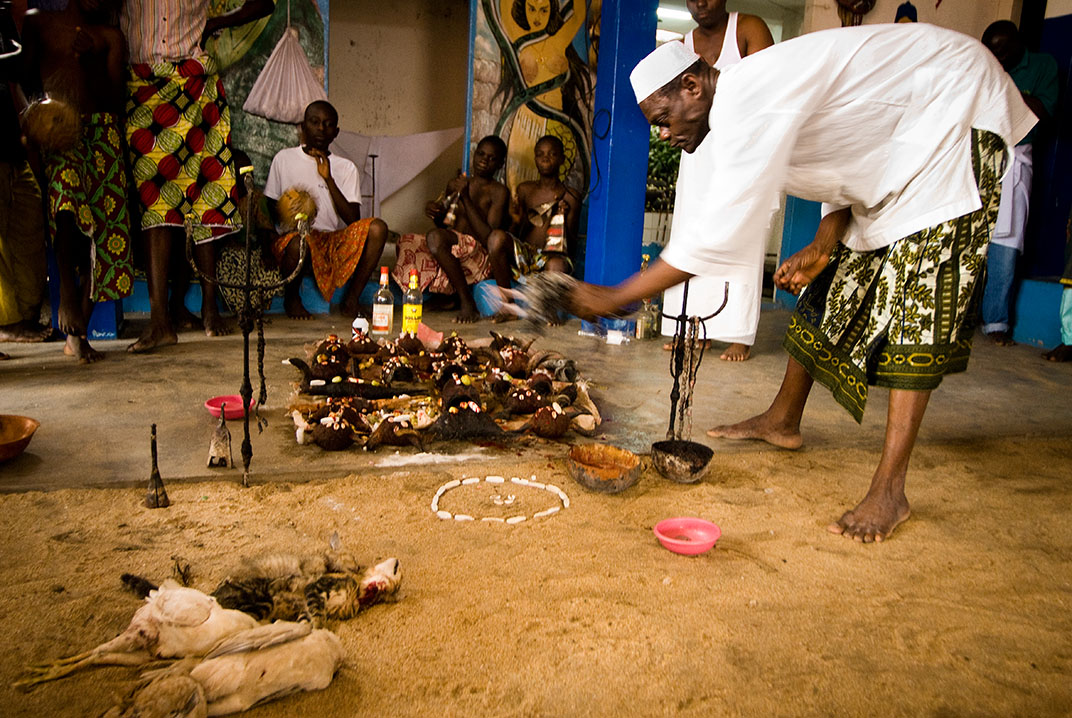
Vodun is believed to possess significant magical and spiritual powers, which are used for healing, divination, protection, and even cursing. Through rituals, prayers, and sacrifices, practitioners can invoke the spirits to influence the material world. These powers are channeled by priests and priestesses (known as Hounon or Mambo) who serve as mediators between the physical world and the divine forces.
In Benin, Vodun is not seen as a mere religion, but as a holistic way of understanding the world. Vodun rituals take place in sacred spaces known as temples or convents, and they often involve music, dance, offerings, and trance states to establish communion with the spirits.
What Is Zangbeto? The Spiritual Role of the Night Watchmen
Zangbeto is one of the most iconic and mysterious practices in Benin, closely tied to Vodun beliefs. Known as the Night Watchmen or Spiritual Guardians, Zangbeto are initiated figures who perform powerful magical demonstrations during public festivals, ceremonies, and ritual events. Their role is both protective and socially authoritative, ensuring that the community remains free from evil spirits and forces that could bring harm.
Zangbeto Initiation and Rituals
Zangbeto initiates are often young men from the local villages who undergo a period of initiation and training, where they learn the sacred rituals, dances, and magical techniques required to become a fully initiated Zangbeto. The training involves both physical and spiritual development, as Zangbeto initiates must be able to connect with the Vodun spirits and channel their powers through their actions.
The Zangbeto performance typically involves wearing large, elaborate costumes made from local materials such as woven palm fronds, cloth, and beads, which conceal the individual. The Zangbeto’s presence is often accompanied by rhythmic drumming, chanting, and dancing, invoking the spirits to “enter” the performer’s body and guide their movements. The magical demonstrations are not only a form of entertainment but also a way of reinforcing spiritual authority and ensuring that the community remains protected from malevolent forces.
Zangbeto and Vodun: A Symbiotic Relationship
At the core of the Zangbeto practice is a deep connection to Vodun. Zangbeto initiates are spirit mediums, channeling the powers of specific Vodun deities during their performances. These deities are believed to grant them protection, strength, and the ability to perform seemingly supernatural feats. For instance, Zangbeto initiates may walk on fire, handle sharp objects without injury, or demonstrate supernatural agility during the ceremonies.
Each Zangbeto convent or group has its own set of Vodun deities that are venerated and honored through the rituals. These deities guide the actions of the Zangbeto initiates and ensure that their magic remains effective. The connection between Vodun and Zangbeto goes beyond mere ritual performance; it is a spiritual alliance that allows Zangbeto practitioners to draw on the power of the deities in their protection of the village and their community.
Want to know more about Zangbeto? click the button below:
Vodun Lègba: The Protector of the Zangbeto Convents
One of the central deities in the Vodun tradition is Lègba, the god of the crossroads and the gatekeeper of the spiritual world. Lègba is a protective deity, often associated with opening doors, creating opportunities, and ensuring safe passage between the physical world and the spirit realm. In the context of Zangbeto, Lègba serves as the guardian of the Zangbeto convent, protecting the initiates and ensuring that evil spirits cannot interfere with the sacred practices.
The Role of Lègba in Zangbeto Rituals
Lègba’s presence is felt at every Zangbeto convent, where a shrine dedicated to the deity is erected at the entrance. Initiates and practitioners are expected to show reverence to Lègba before entering the sacred space, offering prayers and sacrifices to ensure their protection and success in their spiritual endeavors.
Lègba’s protective role is not just symbolic—it has real-world consequences. Without Lègba’s blessings, Zangbeto rituals could be vulnerable to disruption, as malevolent forces (such as evil spirits or enemies) would be able to interfere with the proceedings. In Benin’s villages, almost every home has a small shrine to Lègba at the gate, further emphasizing the deity’s central role in ensuring the protection of individuals and communities.
The Role of Vodun in Daily Village Life
Growing up in a village in Benin, I was fortunate enough to witness the daily integration of Vodun and Zangbeto practices. From an early age, I saw how important these spiritual traditions were in maintaining harmony within the community. Each Zangbeto convent I visited had its own unique Vodun deity, and I was able to observe the respect with which the initiates carried out their rituals.
In every village, the Zangbeto initiates would perform nightly rituals to ensure that the community was safeguarded from malevolent spirits. The presence of Vodun Lègba at the gate of house acted as a reminder of the spiritual protections in place, ensuring that each individual could sleep peacefully, knowing they were guarded by the divine forces.
The Interwoven Powers of Vodun and Zangbeto
In Benin, Vodun and Zangbeto are more than just religious or mystical practices—they are powerful tools for maintaining balance and harmony between the spiritual and physical worlds. Vodun provides the spiritual framework within which Zangbeto operates, while Zangbeto acts as the earthly manifestation of Vodun’s protective and magical powers.
The connection between Vodun and Zangbeto is a perfect example of how spirituality can shape a community’s identity, offering both protection and prosperity to those who follow the path. With Vodun as the foundation, Zangbeto initiates channel the divine powers of their deities to bring balance, order, and prosperity to their villages. Whether through public performances, nightly rituals, or daily offerings, Vodun and Zangbeto work together to ensure that the spiritual and physical realms remain in harmony.
As someone who grew up in a village steeped in these traditions, I’ve come to appreciate how Vodun and Zangbeto continue to shape the lives of Benin’s people. Their power, mysticism, and significance are not just historical or cultural—these practices are alive and active, continuing to influence the spiritual and social fabric of the country today.
If you love African culture and want to help us continue our mission of preserving and promoting it, your support is crucial. By donating today, you enable us to keep sharing the rich traditions, arts, and heritage that define Africa’s unique identity. Together, we can ensure that future generations experience the beauty of African culture. Make a difference.