African culture, with its rich tapestry of traditions, beliefs, and spiritual practices, often blurs the line between the natural and the supernatural. One of the most fascinating aspects of African spiritual life is the deep connection with nature, particularly the profound power attributed to plants and the mystical rituals surrounding them. In Benin, this connection is most clearly exemplified in the Zangbeto ceremonies, where the combination of plants, incantations, and spiritual rites create powerful performances that captivate and awe audiences.
In this article, we will explore the role of plants and incantations in Zangbeto performances, how they influence the demonstrations, and their significance within African and Beninese culture.
What is Zangbeto?
Before delving into the spiritual and botanical elements, it’s important to first understand what Zangbeto is and why it holds such significance in the culture of Benin. Zangbeto refers to a traditional masquerade or spirit figure in the Fon ethnic group of Benin. It is often considered the guardian spirit of the night, patrolling the village, and ensuring safety and order. Zangbeto performances are highly ritualistic events, performed by selected spiritual leaders or “priests,” who embody the spirit of Zangbeto through elaborate dances and movements.
During a typical Zangbeto ceremony, the Zangbeto figure is surrounded by a deep aura of mystery and power. Participants and onlookers alike are often mesmerized by the skillful display of acrobatic movements, sudden disappearances, and dramatic transformations. Central to the effectiveness of these performances are the plants and incantations that imbue the Zangbeto with supernatural powers.

The Spiritual Role of Plants in African and Beninese Culture
Plants as Healers and Blessings
In many African cultures, plants are seen as much more than just elements of the natural environment; they are integral to spiritual well-being and healing. Particularly in Benin, plants are believed to hold immense power for curing illnesses, invoking blessings, and connecting with the spiritual realm. This knowledge is often passed down through generations and is preserved by traditional healers known as Bokonon (or Fa priests in the Fon language).
The Bokonon hold sacred knowledge about the medicinal and spiritual properties of various plants. This knowledge is often inherited through ancestral wisdom or received directly from spiritual beings or genies in dreams. These healers use plants not only for healing but also to communicate with spirits, protect communities, and invoke blessings.
In the context of Zangbeto, plants play an essential role in the performances and demonstrations. The Bokonon who oversee the Zangbeto rites ensure that the correct plants and herbs are used to invoke the right spirits and powers, amplifying the energy of the ceremony. These plants are believed to have the power to heal, protect, and even alter the course of events through their spiritual properties.
Sacred Plants and Their Uses
Specific plants are revered for their unique powers, such as leaves, roots, bark, and flowers that possess the ability to invoke blessings, transform a person’s fate, or enhance the Zangbeto’s spiritual powers. These plants are often soaked in water and used as part of the ritual. For example, certain leaves are believed to possess the ability to cause transformations, such as turning the Zangbeto spirit into an animal or causing it to vanish and reappear at will.
This mystical use of plants in Zangbeto ceremonies reflects the African understanding of nature’s profound spiritual and healing powers. It’s not just about the physical properties of the plants; it’s about the spiritual energy they can channel into a performance, bringing the supernatural into the tangible world.
The Power of Incantations in Zangbeto Ceremonies
What Are Incantations?
Incantations are sacred, coded words or phrases used in African spiritual practices to communicate with spirits, ancestors, and supernatural forces. They are an essential part of rituals and ceremonies, often uttered by the priest or spiritual leader during key moments of the ritual. In the case of Zangbeto performances, incantations are used in conjunction with plants to activate their powers and facilitate communication with the unseen world.
These words are not simply chants; they are deeply powerful utterances that are believed to bridge the gap between the physical and spiritual realms. By using specific incantations, the Zangbeto priest or Bokonon can harness the energies of the plants, animals, and ancestors to manifest particular outcomes. The correct pronunciation, timing, and intent behind these incantations are critical for their success.
Incantations and Transformations
In Zangbeto performances, one of the most dramatic displays of power is the Zangbeto’s ability to transform. Using a combination of sacred leaves and powerful incantations, the Zangbeto can change form—disappearing, reappearing, or even transforming into an animal. This spectacle is meant to demonstrate the spirit’s ability to transcend the ordinary laws of nature and enter the realm of the supernatural.
It is the use of these incantations, alongside the ritual use of plants, that allows for such feats. For example, when the right leaves are gathered and the proper incantations are spoken, the Zangbeto can seemingly disappear into thin air, only to reappear moments later. The belief is that the spirits are aiding in this transformation, responding to the invocation of the plants and the incantations.
Coded Words and Spiritual Communication
The incantations used in Zangbeto performances are often coded, with meanings known only to the Bokonon and certain initiated members of the community. This secrecy adds to the mystique and power of the Zangbeto ceremony. In African culture, the idea of coded words or “language of the spirits” is not unique to Zangbeto. Many African spiritual practices involve the use of sacred languages, secret incantations, and ceremonial phrases to interact with the spiritual realm.
For Zangbeto, these coded words allow practitioners to communicate with the ancestors and spirits, seeking their guidance or assistance. By invoking the names of ancestral spirits and deities through incantations, the Zangbeto ceremony becomes a powerful medium for channeling energy and blessings into the present world.
How the Power of Plants and Incantations Shape Zangbeto Performances
Setting the Scene: The Role of the Zangbeto Priest
The Zangbeto priest is the central figure in these ceremonies, combining knowledge of plants, incantations, and ritualistic performance. These priests are often highly respected individuals who have undergone years of training and spiritual initiation. They are entrusted with the sacred responsibility of ensuring that the plants and incantations are used correctly to facilitate the successful performance of the Zangbeto.
Before the performance, the Zangbeto priest will gather the necessary plants, carefully choosing the ones believed to have the appropriate spiritual powers. Some plants may be used to summon protection, while others may be used for transformation or to invoke the spirits of ancestors.
The Ritual of Pouring Plants on the Zangbeto
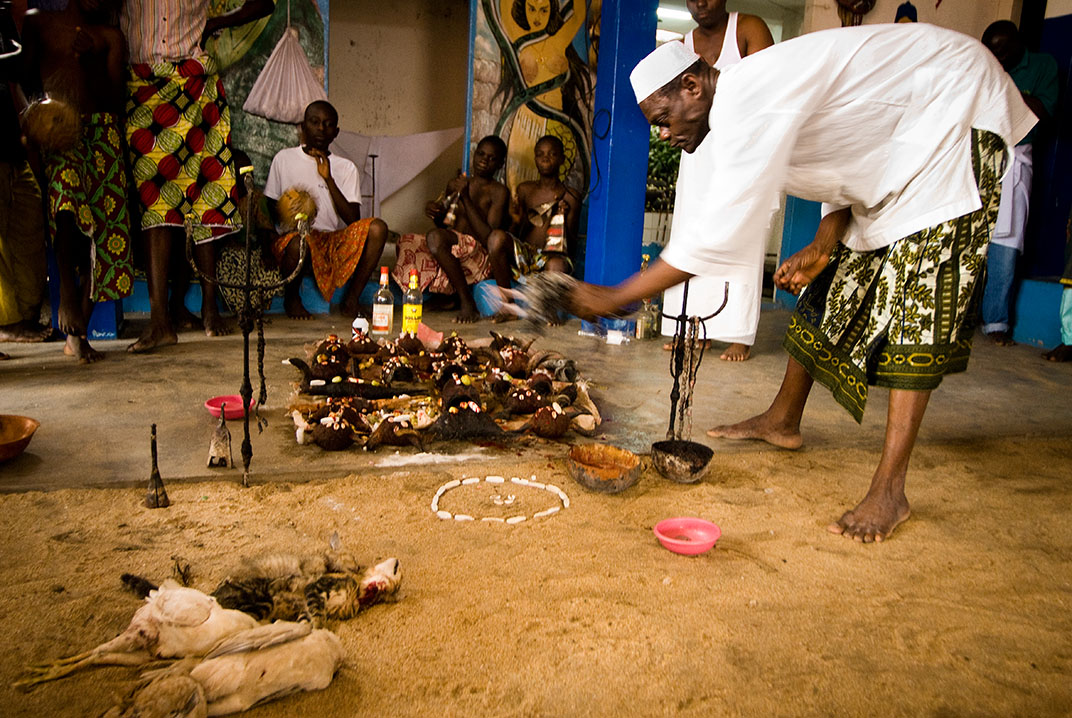
A common practice in Zangbeto performances is the act of soaking specific leaves or plants in water and pouring this water on the Zangbeto figure. This ritual is meant to activate the spiritual energy within the plants and align the Zangbeto with the power of the spirits. It is during this moment that the priest may recite incantations, invoking the spirit world to bless the ceremony, protect the community, or bring desired outcomes.
The act of pouring water infused with sacred plants onto the Zangbeto serves as both a physical and symbolic purification. It is a way of cleansing the spirit of the Zangbeto, preparing it for the ritual performance, and ensuring that it is fully imbued with the spiritual energy needed to carry out the ceremony successfully.
The Power of Transformation
The climax of a Zangbeto demonstration often involves the spirit’s ability to transform, vanish, and reappear. Through the power of the plants and the precise use of incantations, the Zangbeto priest can make the spirit disappear before the eyes of the audience. This transformation is more than just a physical illusion; it is an expression of the spiritual authority and mystical energy that the plants and incantations can summon.
The Significance of Zangbeto in African Culture
A Link Between the Physical and Spiritual Worlds
The Zangbeto ceremony is not just entertainment; it is a profound expression of African spirituality and culture. Through the use of plants, incantations, and ritual performance, the Zangbeto connects the physical world with the spiritual realm. It is a demonstration of the belief that the natural world and the spiritual world are deeply intertwined, with nature serving as a conduit for communication with the divine.
Preserving Ancestral Knowledge
In many African cultures, the preservation of ancestral knowledge is of utmost importance. The role of the Bokonon and Zangbeto priests is not only to perform rituals but also to keep alive the ancient wisdom passed down from their ancestors. This knowledge encompasses the healing properties of plants, the power of words, and the ability to interact with the spiritual world in ways that modern science cannot fully explain.
By continuing to perform Zangbeto rituals, these traditions are kept alive, ensuring that future generations can understand and appreciate the deep spiritual and cultural connections between people, plants, and the spirit world.
Want to know more about Zangbeto? click the button below:
The power of plants and incantations in the performances and demonstrations of Zangbeto is a powerful reminder of the interconnectedness of the natural world and the spiritual realm in African culture. In Benin, the use of sacred plants and coded words is not just a ritual; it is a way of invoking the forces of nature and the spirits of the ancestors to bring protection, healing, and transformation. As Zangbeto performances continue to captivate and inspire, they serve as a living testament to the rich cultural heritage and spiritual depth of Africa.
If you love African culture and want to help us continue our mission of preserving and promoting it, your support is crucial. By donating today, you enable us to keep sharing the rich traditions, arts, and heritage that define Africa’s unique identity. Together, we can ensure that future generations experience the beauty of African culture. Make a difference.