Ouidah, a coastal city in Benin, West Africa, is a place where history, spirituality, and culture converge. As one of the most historically significant cities in Africa, Ouidah holds a unique and complex past that continues to shape its identity today. From its pivotal role in the transatlantic slave trade to its deep connection to Vodun (also known as Voodoo), Ouidah has long been a center of both spiritual and historical importance. In recent years, the city has also become a focal point for tourism, particularly with the revitalization of historical landmarks and the growth of cultural events like the Vodun Days festival. This blog post will take you on a journey through the rich history of Ouidah, its ties to Vodun, the legacy of the transatlantic slave trade, and the city’s ongoing transformation into a cultural hub.
The Historical Importance of Ouidah
Ouidah’s history dates back centuries, with its roots tied to both African spirituality and European colonial trade. Located along the Gulf of Guinea, Ouidah was once a thriving kingdom known as the Kingdom of Whydah. By the 17th century, it had become one of the most important slave trading ports in Africa. The city’s strategic position along the coast made it a prime point for the European slave trade. During this period, it is estimated that over a million people were taken from the region and sent to the Americas.
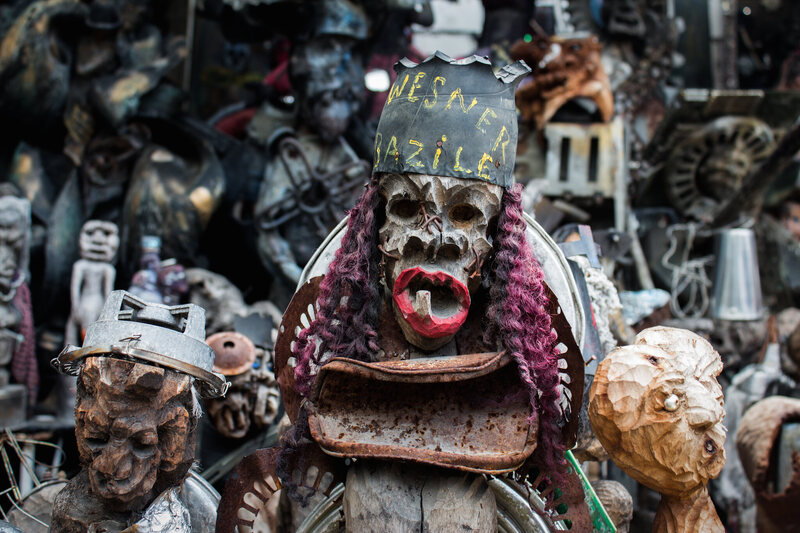
However, Ouidah’s history is not defined solely by its role in the slave trade. The city has long been a center of the Vodun religion, which is practiced by millions across West Africa. Vodun is an African traditional religion that is deeply rooted in nature, ancestral veneration, and spiritual rituals. The city’s historical ties to Vodun, combined with its association with the horrors of the transatlantic slave trade, have made Ouidah a place of deep cultural significance.
Vodun: The Spiritual Heartbeat of Ouidah
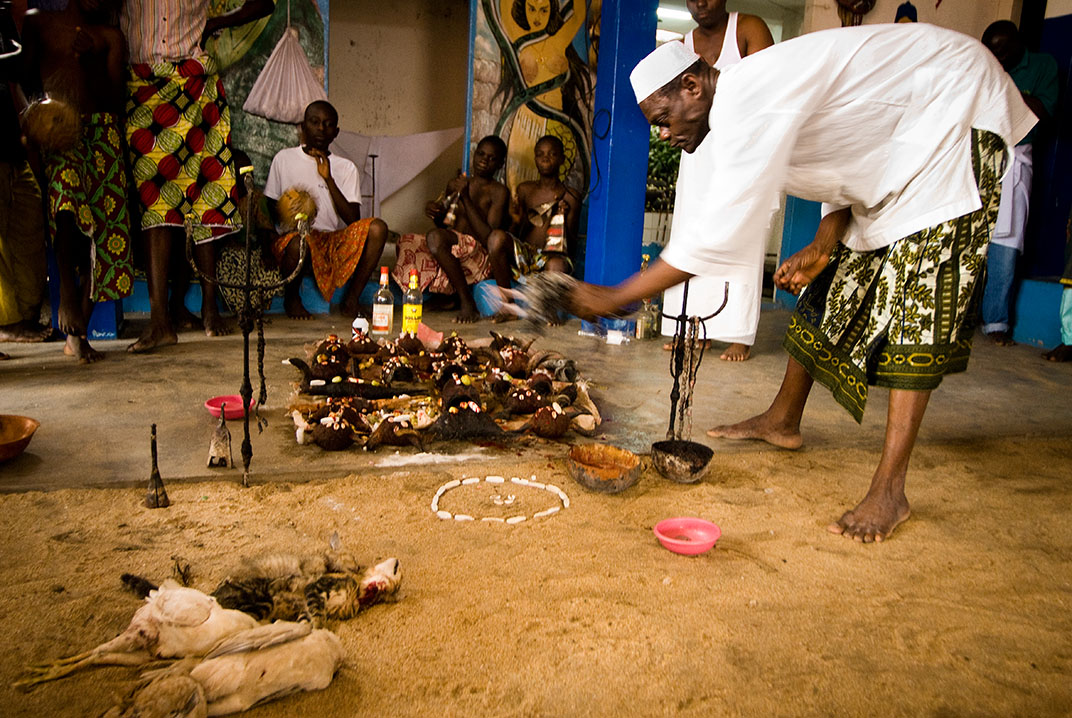
Vodun, the religion with its roots in West Africa, is central to Ouidah’s identity. Vodun is not just a set of religious practices, but a spiritual system that binds communities together through rituals, deities, and the reverence of nature. In Ouidah, Vodun plays a critical role in daily life and cultural expression. It is practiced widely, not only in Benin but also in parts of Togo, Ghana, and other regions in West Africa.
Ouidah is often regarded as the epicenter of Vodun worship, and its connection to the religion is evident in the city’s rituals, temples, and festivals. The Temple of Pythons, located in Ouidah, is one of the most famous landmarks that ties the city to Vodun. This temple is dedicated to the snake god Dan, and it is home to dozens of pythons that are considered sacred. Visitors can learn about the significance of these snakes and witness the ceremonies that honor the spirits associated with them.
The city’s role in Vodun worship extends to the annual Vodun festival. For centuries, this event has brought together believers from across the region to honor their deities and celebrate their spiritual connection to the divine. The festival is a time for people to come together, renew their faith, and participate in rituals that honor the Vodun spirits.
Ouidah’s Link with Zangbeto: A Vibrant Tradition of Spiritual Guardianship and Performance
Ouidah, as the heart of Vodun culture, is also deeply intertwined with the Zangbeto, a traditional guardian spirit of the Fon people. Zangbeto are ceremonial figures, often performed by masked dancers during important religious and cultural events in Ouidah. These performances are particularly mesmerizing during the Vodun Days festival, where Zangbeto dancers, dressed in vibrant, elaborate costumes, move rhythmically in the streets. Their dances are a visual spectacle, showcasing acrobatic skill and spiritual reverence, as they embody the spirits of the night and protectors of the community. The Zangbeto are believed to ward off evil, and their performances are an essential part of Ouidah’s cultural identity. With their energetic presence, Zangbeto dancers weave together history, spirituality, and entertainment, captivating audiences while preserving an ancient tradition that remains central to the city’s cultural celebrations.

Want to know more about Zangbeto? click the button below:
The Legacy of the Transatlantic Slave Trade in Ouidah
One of the most painful aspects of Ouidah’s history is its role in the transatlantic slave trade. During the 17th and 18th centuries, Ouidah was a major hub in the trade of enslaved Africans. The city’s port became a key point of departure for those who were forcibly taken from their homelands and transported across the Atlantic to the Americas.
The “Door of No Return” is perhaps the most powerful symbol of Ouidah’s connection to this dark chapter in history. The Door of No Return is a monument located at the Ouidah waterfront, where enslaved people were once loaded onto ships bound for the Americas. This monument serves as a reminder of the millions of men, women, and children who were subjected to the brutal and dehumanizing conditions of the transatlantic slave trade.
The Door of No Return is a poignant site, as it symbolizes the last physical connection between the African continent and the enslaved people who were forced to leave. Visitors to Ouidah can walk through the door and reflect on the immense human suffering that occurred in the name of trade and profit. The monument stands as a tribute to the resilience and endurance of the African people and as a reminder of the legacy of the slave trade.
The Tree of Oblivion: A Mystical Link to Slavery
Another significant historical site in Ouidah is the Tree of Oblivion, which is tied to the spiritual practices of the city. According to local lore, this tree played a crucial role in the lives of enslaved people during their final moments before embarking on the horrific journey across the Atlantic. It is said that slaves would circle the tree before they were sent to the ships, with men walking around it seven times and women walking around it nine times.
This ritual was believed to have mystical powers that would erase the memories of the enslaved individuals, allowing them to forget their past lives and their connection to their native lands. It was thought that this forgetting was necessary for their survival in the Americas, where they would be forced to work under brutal conditions in the sugar, cotton, and tobacco plantations.
Today, the Tree of Oblivion serves as a poignant symbol of the trauma and displacement experienced by millions of Africans during the transatlantic slave trade. The tree remains a focal point for reflection and remembrance for those who wish to honor the legacy of those who suffered and died during this dark period of history.
Ouidah’s Revitalization and the Vodun Days Festival
In recent years, Ouidah has undergone significant reconstruction, with a focus on preserving and showcasing its historical landmarks, particularly those related to the slave trade and Vodun. This revitalization has included the restoration of monuments, the establishment of museums, and the development of cultural tourism initiatives. Ouidah’s transformation into a tourist destination has allowed visitors from around the world to experience its rich history and cultural heritage.
One of the most significant events in Ouidah’s cultural calendar is the Vodun Days festival. Traditionally held on January 10th each year, the festival is a time for the people of Ouidah to celebrate their spiritual and cultural heritage. In 2024, the festival was officially extended to January 9th, 10th, and 11th each year, following a decision by Benin’s president, His Excellency Patrice Talon. The extension of the festival gives more people the opportunity to celebrate and participate in the rituals and ceremonies that honor Vodun, making it a more inclusive and widespread event.
The decision to extend the festival is also part of a broader effort to promote tourism in the region and highlight the importance of Vodun as a cultural and spiritual force. The festival has become a major tourist attraction, drawing visitors from across the globe to experience the vibrant ceremonies, traditional dances, and performances that take place throughout the city.
Ouidah’s Future as a Cultural Hub
With the revitalization of Ouidah’s historical sites and the growth of the Vodun Days festival, the city is poised to become a major cultural hub in West Africa. Ouidah’s commitment to preserving its heritage, both in terms of Vodun and its role in the transatlantic slave trade, ensures that future generations will have a deep understanding of the city’s historical significance.
The ongoing reconstruction efforts are helping to make Ouidah a destination that honors both its painful past and its spiritual and cultural heritage. As tourism continues to grow, Ouidah will become a place where visitors can reflect on the legacy of the past while celebrating the resilience and cultural pride of the people who call this city home.
Ouidah’s Legacy Lives On
Ouidah is a city that tells a powerful story of spirituality, suffering, and resilience. Its connection to Vodun, the transatlantic slave trade, and its cultural landmarks make it one of the most historically rich cities in West Africa. From the Temple of Pythons to the Door of No Return, the Tree of Oblivion, and the Vodun Days festival, Ouidah’s past is ever-present in its cultural expressions and historical sites.
As the city continues to rebuild and reimagine its future, it is clear that Ouidah will remain a key center for the celebration of Vodun, the remembrance of the transatlantic slave trade, and the honoring of African culture. The extension of the Vodun Days festival, the city’s growing tourism infrastructure, and its ongoing commitment to cultural preservation will ensure that Ouidah remains a living testament to the past while continuing to inspire and educate future generations.
Through its rich history, Ouidah offers a powerful reminder of the resilience of the African spirit, the importance of remembering our shared history, and the unbreakable connection between the past and the present.
Plan Your Visit to Ouidah and Experience Its Rich History and Culture!
Are you ready to explore the fascinating history of Ouidah, immerse yourself in the spiritual heart of Vodun, and witness the incredible Vodun Days festival? Whether you’re planning a visit to the city to discover its historical landmarks, like the Door of No Return and the Tree of Oblivion, or want to attend the next Vodun Days celebration, we’re here to guide you every step of the way!
Contact us today for expert advice, travel tips, and personalized guidance on how to make the most of your visit to Ouidah. Let us help you plan an unforgettable journey through this historically rich city and vibrant festival. Don’t miss out on this unique opportunity to connect with the soul of Benin.
Reach out now and start your adventure in Ouidah!
Email: contact@beninzangbeto.com
If you love African culture and want to help us continue our mission of preserving and promoting it, your support is crucial. By donating today, you enable us to keep sharing the rich traditions, arts, and heritage that define Africa’s unique identity. Together, we can ensure that future generations experience the beauty of African culture. Make a difference.