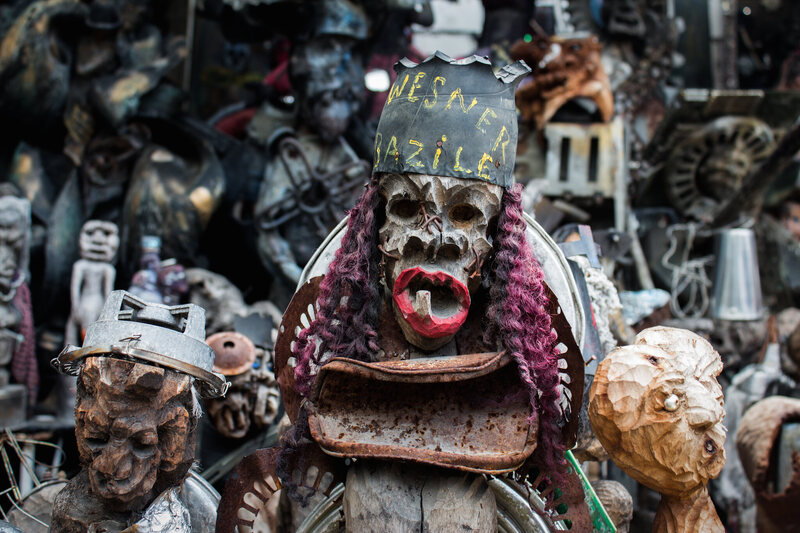
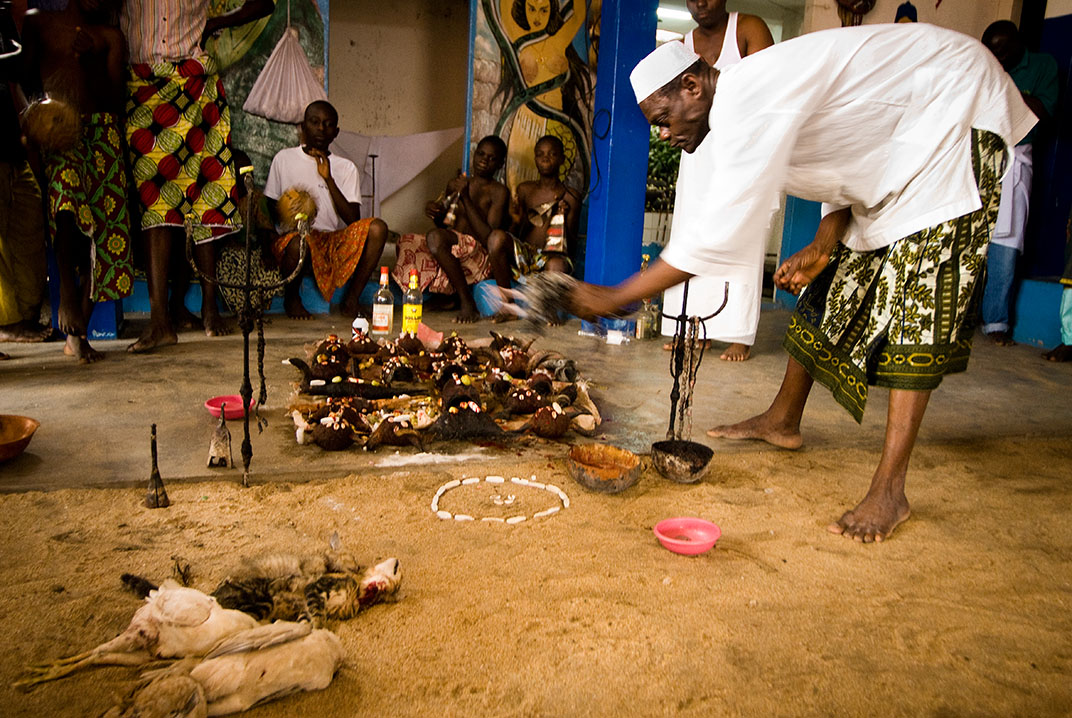
Zangbeto, the enigmatic night spirit of Benin, has captivated the world with its mysterious allure. Beyond its roots in West Africa, this tradition has spread across the globe, influencing cultures and communities far and wide. In this blog post, we will delve into the fascinating journey of Zangbeto, exploring how it has transcended geographical boundaries and continues to thrive in the diaspora.

The Origins of Zangbeto
To understand the diaspora of Zangbeto, it’s essential to trace its origins. Rooted in the Fon and Gun peoples of Benin, Zangbeto is believed to be a guardian spirit, tasked with maintaining law and order during the night. The Zangbeto cult is characterized by its distinctive masks, intricate costumes, and rhythmic dances.
We’ll give you a glimpse here—but the full story is something you’ll only find in our Zangbeto eBook. If you’re truly curious, grab your copy today.
The Diaspora Begins
The spread of Zangbeto beyond Benin’s borders is primarily attributed to the transatlantic slave trade. Enslaved Africans, many of whom were from the Fon and Gun ethnic groups, carried their cultural heritage, including their beliefs in spirits and deities, to the Americas. In the New World, these traditions adapted and blended with other cultural influences, giving rise to new syncretic religions like Vodou and Santería.
Zangbeto in the Americas
In the Americas, Zangbeto’s influence is most evident in the realm of Vodou, a religion that incorporates elements of African, Catholic, and indigenous beliefs. Vodou practitioners often invoke spirits, known as loa, to intervene in human affairs. Some of these loa, such as Legba and Ghede, bear striking similarities to Zangbeto in terms of their role as tricksters and guardians.
In Haitian Vodou, for example, the loa Ghede, often depicted as a skeleton or a zombie, shares some characteristics with Zangbeto. Both figures are associated with death, rebirth, and the underworld. They are also believed to have the power to both punish and protect, depending on their mood and the actions of the living.
Zangbeto in Europe and Beyond
The diaspora of Zangbeto is not limited to the Americas. With the rise of globalization and increased cultural exchange, this tradition has also made its way to Europe and other parts of the world. In recent decades, there has been a growing interest in African spirituality, leading to the emergence of new religious movements and cultural practices.
One such movement is Afro-Brazilian religions like Candomblé and Umbanda. These religions incorporate elements of African, indigenous, and Catholic beliefs, and they often feature deities and spirits that are reminiscent of Zangbeto. For instance, the orixá Ogum, a warrior deity, shares some similarities with Zangbeto in terms of his protective role and association with iron tools.
The Impact of Zangbeto on Global Culture
The diaspora of Zangbeto has had a profound impact on global culture, influencing everything from art and music to literature and film. The distinctive masks and costumes of Zangbeto have inspired artists and designers around the world, while the rhythmic drumming and dancing associated with the cult have contributed to the development of various musical genres.
In recent years, there has been a resurgence of interest in African spirituality, leading to a renewed appreciation for traditions like Zangbeto. This renewed interest has fueled a global conversation about cultural heritage, identity, and the power of tradition to shape the future.
Preserving the Legacy of Zangbeto
As Zangbeto continues to spread across the globe, it is important to preserve its cultural heritage. This can be achieved through a variety of means, including education, documentation, and the promotion of traditional practices. By understanding the history and significance of Zangbeto, we can ensure that this powerful tradition continues to inspire and enrich our world for generations to come.
The diaspora of Zangbeto is a testament to the enduring power of African culture. From its humble beginnings in Benin, this tradition has spread to the far corners of the globe, influencing countless cultures and communities. By exploring the history and significance of Zangbeto, we can gain a deeper appreciation for the rich tapestry of human culture and the power of tradition to shape our lives.